
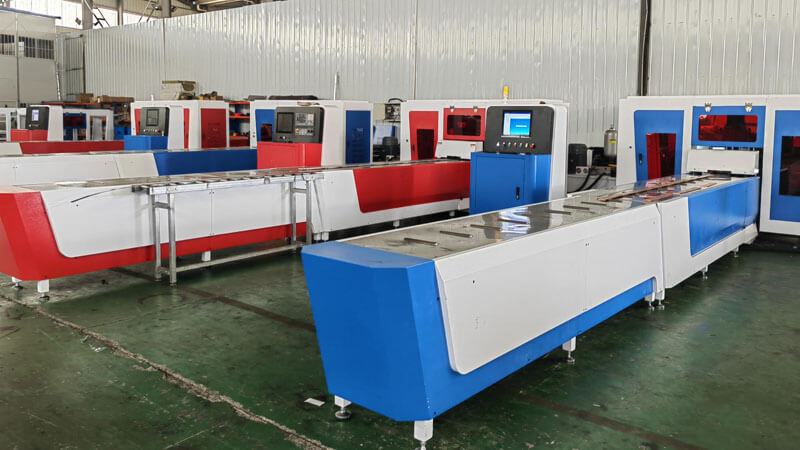
In the world of electrical distribution, busbars play a crucial role in efficiently conducting electricity across various systems. Busbar machines are specialized tools designed to manufacture and assemble these conductive bars, ensuring high levels of precision and efficiency in production.
What is a Busbar Machine?
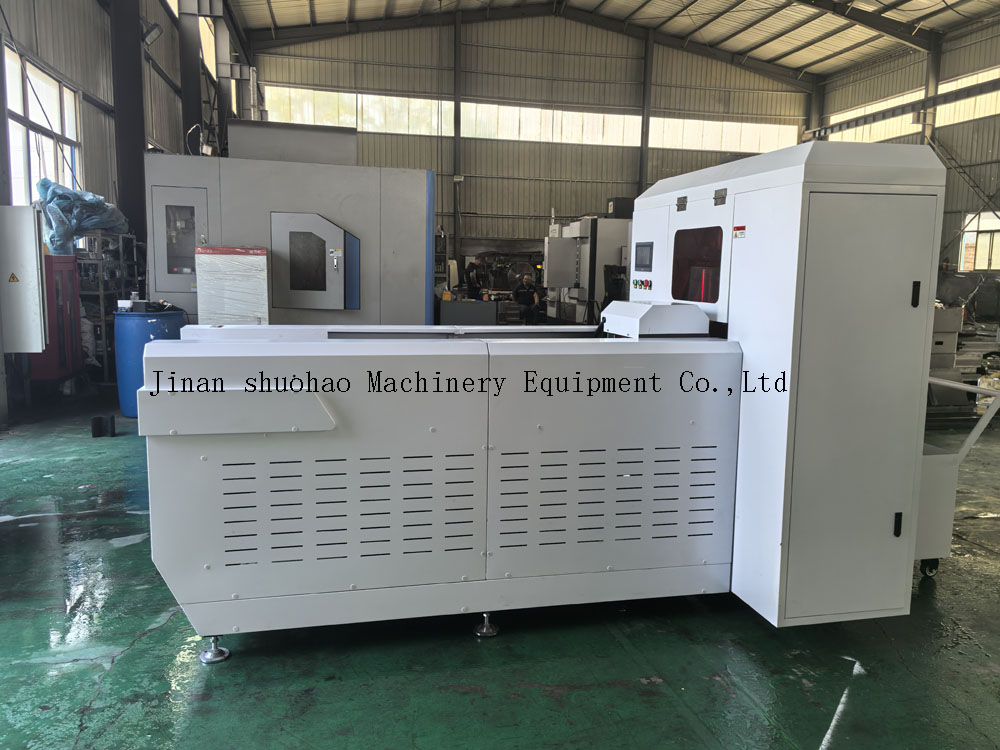
A busbar machine is an automated device that handles the processing of busbars, which can include cutting, bending, punching, and welding. These machines are integral in modern manufacturing settings, particularly in industries that require reliable electrical distribution solutions.
Key Features of Busbar Machines
Automation: Many busbar machines are equipped with programmable logic controllers (PLCs) that allow for automated operations, reducing manual labor and increasing production speed.
Material Quality: The choice of materials, primarily copper and aluminum, is critical for ensuring the durability and conductivity of the busbars produced.
Efficiency: By automating the production process, busbar machines significantly lower labor costs and minimize production time, making them a valuable investment for manufacturers.
Maintenance: Regular maintenance and calibration of busbar machines are essential to maintain their performance and ensure the quality of the products.
Market Growth: The demand for busbar machines is on the rise due to the growing need for efficient power distribution in various sectors, including construction and manufacturing.
Technological Integration: Modern busbar machines are increasingly incorporating Industry 4.0 technologies, such as IoT and smart sensors, which facilitate real-time monitoring and data analytics for improved operational efficiency.
Environmental Considerations: With rising environmental concerns, manufacturers are focusing on eco-friendly practices in busbar production, including energy-efficient machines and the use of recyclable materials.
Customization: The ability to customize busbar machines to meet specific client requirements is becoming a competitive edge in the market.
Training and Skill Development: As technology evolves, training personnel to operate and maintain these advanced machines is crucial for maximizing their potential.
Future Trends: The future of busbar machines is likely to be shaped by advancements in technology and increasing demands for sustainable manufacturing practices.
Conclusion
Busbar machines are essential in the electrical distribution landscape, providing efficiency, precision, and adaptability. As industries evolve, the importance of these machines will only continue to grow, making them a worthwhile consideration for manufacturers looking to enhance their production capabilities.


Leave A Comment